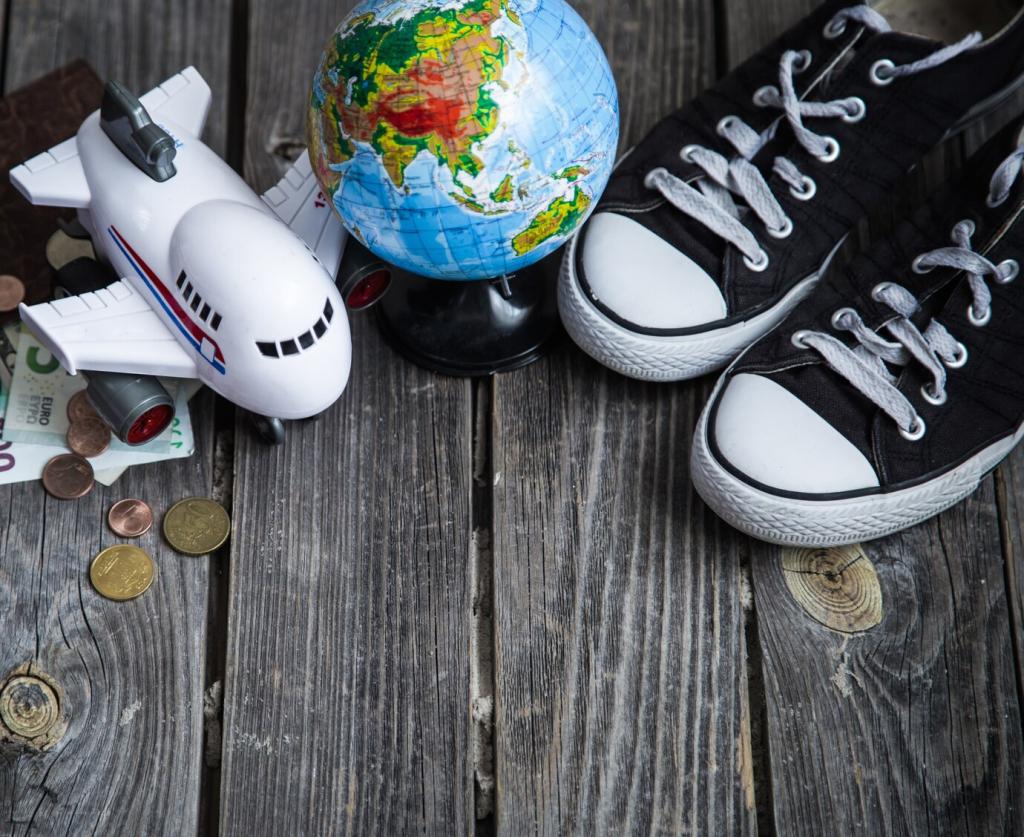
Interactive Children's Museums Around the World: Play, Learn, Wonder
Chosen theme: Interactive Children’s Museums Around the World. Join a globe-trotting journey through hands-on galleries where kids tinker, test, and tell stories—turning curiosity into confidence, and family time into unforgettable learning adventures.
Hands-on exhibits invite young minds to pull levers, mix colors, roll gears, and see immediate results. This trial-and-error approach turns abstract concepts into memorable experiences, and research shows it builds deeper understanding, resilience, and joyful persistence far beyond a single museum visit.
Spotlight: The Children's Museum of Indianapolis, USA
Step into Dinosphere, where kids brush away faux sediment, compare fossil casts, and meet paleontologists turning fragments into stories. The activity is irresistible: tools in tiny hands, real research questions, and the thrill of discovering something ancient—and realizing science welcomes curiosity at every age.
Spotlight: The Children's Museum of Indianapolis, USA
From sports exhibits that unpack the physics of speed to models inspired by the International Space Station, learning feels kinetic and personal. Children test reaction times, feel centrifugal force, and connect daily experiences with big scientific ideas, building confidence as mini investigators with real-world questions.
Hands-On Tinkering and Making
In bright workshops, children test wind tunnels, craft prototypes, and iterate designs using everyday materials. Facilitators ask open-ended questions—What changed? What surprised you?—so kids learn to observe, predict, and refine. The process turns mistakes into stepping stones and sparks pride in small, shareable inventions.
Bilingual Bridges
Exhibits and programs flow in Spanish and English, helping families switch seamlessly between languages while exploring science and culture. Multilingual storytelling areas invite grandparents, parents, and kids to co-create narratives, proving that understanding grows stronger when everyone’s voice and vocabulary are welcome.
A Kite as a Symbol
Papalote’s kite symbolizes imagination taking flight. Children learn that lift needs wind, structure, and balance—then feel the rush of a successful launch. Tell us: what everyday object has sparked your family’s biggest questions, and how could a simple kite inspire your next weekend experiment?
Spotlight: Muzeiko, Sofia, Bulgaria
Solar panels, daylighting, and green roofs are explained with kid-friendly diagrams, so sustainability becomes visible and understandable. Children trace energy paths, compare temperatures, and see how thoughtful design saves resources. The building whispers a simple message: your choices matter, and small changes add up.
Spotlight: Muzeiko, Sofia, Bulgaria
Interactive stations invite kids to redirect water flow, test blade shapes in wind, and program simple robots. Facilitators guide them to define problems, brainstorm, prototype, and test. Each attempt reveals a new clue, making engineering feel like a creative game where persistence beats perfection every time.
The best stations state a simple challenge—make it fly, light it up, slow it down—then allow multiple solutions. This structure invites creativity, encourages experimentation, and rewards original thinking. If your family redesigned a classic exhibit, what would you change first to open new pathways?
Feedback Loops Kids Can Feel
Immediate, sensory feedback—lights flashing, gears moving, water levels rising—helps children connect cause and effect. When a build fails, kids see why and iterate quickly. These tight loops teach scientific thinking naturally, building patience and grit without lectures or grades, just curiosity fueled by results.
Co-Create With Families
Museums increasingly prototype with visitors, inviting parents and kids to test early versions and give candid feedback. This collaboration surfaces accessibility needs, clarifies instructions, and uncovers surprising motivations. Would your family join a prototype day? Subscribe and we’ll share upcoming opportunities to help shape new exhibits.
Plan Your Family’s Museum World Tour
01
Ask each family member for one burning question—about dinosaurs, cities, or bubbles—and pack a small notebook. Let kids circle a few must-see exhibits on the map. Share your list with us, and we’ll suggest global stops that match your curiosity and travel style.
02
Choose depth over breadth. Stay longer where eyes light up, and take breaks to sketch, snack, and talk about surprises. Avoid checklist rush. If you find a magical corner, linger—and tell us what made it special so we can build a crowd-sourced map of wonder.
03
Turn your favorite exhibit into a home experiment, write postcards to grandparents, or stage a mini family gallery. Post your reflections and photos, tag your best tips, and subscribe for monthly itineraries featuring new interactive children’s museums from every corner of the world.